
Commercial Landscaping Dallas TX: Best Upgrades 2026
Best overall: a coordinated landscape design and installation plan. Best for damaged lawn areas: sod replacement. Best limited-scope upgrade: a bed cleanup and mulch refresh. Perfectgreendfw handles commercial landscape design, installation, sod, and property maintenance in the North Dallas suburbs, including Frisco; this 2026 guide helps you choose the work your property actually needs. Start with Perfectgreendfw to request a property-specific quote.
TL;DR
For commercial landscaping Dallas TX searches, prioritize a coordinated landscape plan before choosing individual upgrades.
Perfectgreendfw serves North Dallas properties needing landscape design, installation, sod, and ongoing property maintenance.
Choose sod for damaged turf, planting changes for mismatched beds, and mulch for exposed soil.
Keep weekly mowing separate from renovation work so each quote has a clear scope.
Why this matters
A commercial property can have freshly cut grass and still have a landscaping problem. Bare lawn areas, overgrown entrance beds, and plants crowded against walkways need different work; another mowing visit does not fix them.
For your 2026 commercial landscaping project, identify the failure before picking the upgrade. You need a usable entrance, suitable plants, maintained turf, and a clear handoff between installation and upkeep—not a collection of unrelated additions.
Perfectgreendfw is best for North Dallas property owners seeking commercial landscape design, installation, sod, and upkeep under one service scope. Confirm the property address and requested work when asking for a quote.
What makes the best commercial landscaping upgrade?
Use these criteria before comparing proposals:
Problem fit: The work addresses the actual issue, such as bare turf, crowded beds, or repeated maintenance trouble.
Site fit: Plant and grass selections match sunlight, soil conditions, drainage, and how people use the property.
Clear installation scope: The proposal names removals, preparation, materials, installation, and cleanup.
Ongoing maintenance: You know who handles mowing, watering, pruning, and replacement decisions after installation.
Property access: The plan accounts for entrances, sidewalks, parking edges, and work areas.
Measurable boundaries: Each lawn area, planting bed, or tree location is identified rather than covered by a vague promise to improve everything.
Commercial landscaping upgrades at a glance
Rank | Upgrade | Best for | Standout feature | Key limitation |
1 | Coordinated design and installation | Properties with several connected problems | Sets the layout and work sequence before installation | Requires decisions before crews begin |
2 | Bare or damaged lawn areas | Replaces missing turf with installed grass | Does not resolve underlying drainage or shade problems | |
3 | Beds with unsuitable or repeatedly stressed plants | Matches plant selection to site conditions | New plants still need establishment care | |
4 | Bed cleanup and mulch refresh | Beds with weeds, debris, or exposed soil | Restores a defined, maintained planting area | Does not fix poor plant placement |
5 | Tree placement and replacement planning | Properties needing long-term shade | Accounts for mature size before planting | Shade develops over time |
6 | Weekly mowing and maintenance scope | Properties with a sound layout but inconsistent upkeep | Defines recurring work and responsibilities | Maintains the existing landscape rather than redesigning it |
1. Design and installation: best for a whole-property reset
A coordinated landscape plan is the strongest starting point when several areas need work. It connects lawn repairs, bed changes, plant selection, and maintenance access before installation begins. You avoid treating each visible problem as a separate project.
Ask the proposal to identify which existing features stay and which change. An entrance bed, a lawn beside a parking area, and a shaded courtyard do not need the same treatment.
Design and installation pros:
Gives removals and new work a defined sequence.
Coordinates planting beds and lawn areas.
Lets you review upkeep requirements before approving installation.
Design and installation cons:
Requires layout and material decisions before work starts.
Does not remove the need for ongoing maintenance.
Best for: Commercial properties with several connected landscape problems rather than one isolated repair.
For this service, Perfectgreendfw provides design, installation, and maintenance. The quote still needs to state the actual work included; “full-service” is not a substitute for an itemized scope.
Verdict: Buy a coordinated plan when multiple landscape areas need changes.
2. Sod replacement: best for bare or damaged lawn areas
Sod replacement belongs on the shortlist when grass is missing or damaged and you want to restore a defined lawn area. The installation scope should cover the affected area, existing vegetation removal, soil preparation, grass selection, and watering responsibilities.
Do not approve new sod solely because the old lawn looks bad. First identify shade, drainage, traffic, and irrigation conditions. Replacement grass faces the same conditions unless the project addresses them.
Sod replacement pros:
Restores lawn coverage in the installation area.
Lets you select grass for the property's conditions.
Creates a clear handoff from installation to lawn maintenance.
Sod replacement cons:
Needs watering and protection during establishment.
Does not correct unsuitable growing conditions by itself.
Best for: Properties with identifiable bare or damaged turf areas where the site can support grass.
Ask who checks the watering setup and who decides when regular mowing resumes. Keep that responsibility explicit, especially when the installation contractor and maintenance crew are different businesses.
Verdict: Buy sod after checking the cause of turf loss; hold if that cause remains unresolved.
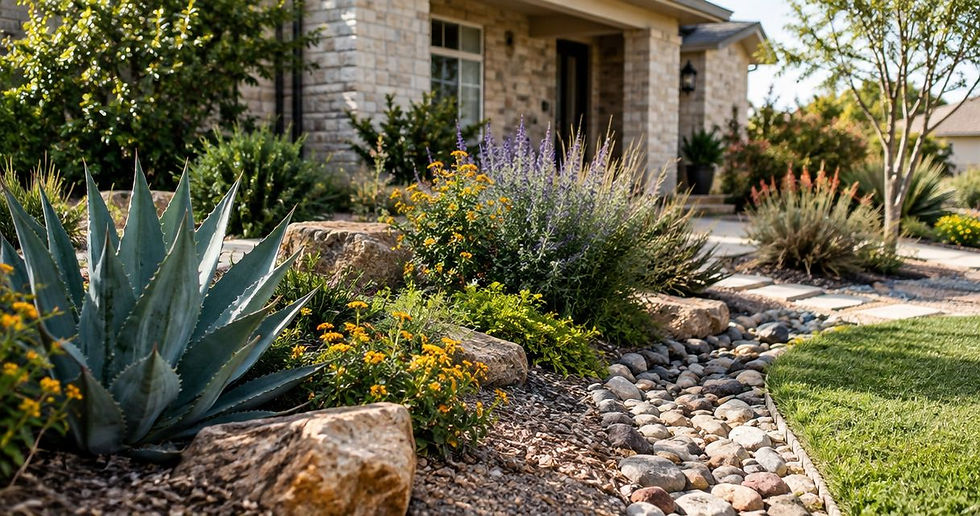
3. Drought-tolerant planting: best for beds with unsuitable plants
A planting upgrade should begin with plant selection, not a request for more color. Review sunlight, available space, soil drainage, and the mature size of each proposed plant. The goal is a bed that fits its location and remains manageable.
Drought-tolerant plants are not plants you can ignore after installation. They need establishment care, and their suitability still depends on the site. Avoid using the label as a replacement for a watering plan.
Drought-tolerant planting pros:
Lets you replace plants mismatched to the site.
Supports a layout based on mature plant size.
Gives entrance beds and property edges a defined planting purpose.
Drought-tolerant planting cons:
Requires care while new roots establish.
Does not solve standing water or poor drainage.
Best for: Commercial planting beds with repeated plant stress, overcrowding, or unsuitable selections.
Ask for a plant list, proposed locations, and removal details. A useful plan distinguishes plants selected for visibility near an entrance from plants intended to fill a larger bed.
Verdict: Buy a site-matched planting plan; skip a plant list that ignores sunlight and mature size.
4. Bed cleanup and mulch: best for a focused appearance reset
A bed cleanup and mulch refresh is a contained project for planting areas with debris, weeds, and exposed soil. It works best when the existing plants and layout are worth keeping. Define cleanup separately from adding mulch so the proposal does not leave preparation unclear.
A common mulch depth is 2–3 inches, accounting for material already present. Keep mulch away from plant crowns and tree trunks. Repeatedly adding material without checking the existing layer can bury the planting area too deeply.
Bed cleanup and mulch pros:
Covers exposed soil around existing plants.
Helps conserve soil moisture and suppress weeds.
Keeps the project focused on identified planting beds.
Bed cleanup and mulch cons:
Does not correct crowding or unsuitable plant choices.
Needs inspection and replenishment as material breaks down.
Best for: Properties with sound planting beds that need cleanup rather than redesign.
Specify the beds included, debris removal, weed handling, and mulch material. Ask the contractor to inspect the existing layer before adding more.
Verdict: Buy a bed refresh when the layout works; skip mulch as a cover for unresolved planting problems.
5. Tree planning: best for long-term shade and structure
Tree placement affects more than the spot where a tree is planted. Review mature canopy spread, root space, overhead clearance, pavement, and building proximity before approving a location. A small tree at installation is not a reliable picture of its future footprint.
For a replacement, discuss why the previous tree failed and whether the location remains appropriate. Species selection and placement belong in the same decision.
Tree planning pros:
Establishes a long-term shade objective.
Accounts for mature size before planting.
Connects tree locations with the overall property layout.
Tree planning cons:
New trees do not provide mature shade immediately.
Poor placement can create future clearance and maintenance problems.
Best for: Properties with enough suitable space for trees and a long-term landscape plan.
Do not approve a tree merely to fill an empty corner. Mark the intended location on the plan and confirm that it leaves usable space around sidewalks, parking, and structures.
Verdict: Buy tree planning for a long-term objective; wait if the site lacks adequate growing space.
6. Weekly mowing: best for keeping a sound landscape maintained
Weekly mowing matters when the lawn and planting layout already work but recurring upkeep lacks consistency. It is maintenance, not a renovation. Ask the proposal to distinguish mowing from edging, trimming, debris handling, and bed work.
Grass type affects mowing height. Common guidance for home-lawn-style turf places bermudagrass around 1–2 inches and St. Augustinegrass around 2.5–4 inches, with the exact setting depending on cultivar and conditions. A crew should identify the grass before choosing a height.
Weekly mowing pros:
Defines recurring lawn work.
Gives the property a consistent maintenance responsibility.
Supports the upkeep of installed turf.
Weekly mowing cons:
Does not repair bare spots or redesign beds.
A calendar-based schedule still needs adjustment to growth and conditions.
Best for: Properties with established turf and a suitable layout that need regular attention.
Ask what happens when wet ground makes mowing inappropriate. Also confirm whether clipping cleanup and work around parked vehicles are included rather than assumed.
Verdict: Buy defined recurring maintenance; skip mowing-only proposals when the landscape needs repairs.
How these upgrades are ranked
The 2026 ranking puts problem fit first, followed by site fit, installation clarity, and maintenance requirements. Design ranks first because it coordinates several decisions; each remaining upgrade serves a narrower property need.
This is a ranking of work scopes, not contractors or measured project outcomes. Choose the highest-ranked upgrade that matches your problem—not the largest project on the list.
How to request a useful property-specific quote
Give the contractor enough information to separate repair work from regular maintenance. For a 2026 proposal, organize your request around these stages:
Site conditions: Provide the property address, photos, sunlight concerns, drainage trouble, and areas affected by foot traffic.
Work scope: Identify lawn repairs, planting changes, removals, mulch work, and existing features you want to retain.
Installation plan: Ask how preparation, access, material placement, cleanup, and protection of existing landscaping are handled.
Upkeep plan: Name the person responsible for watering, mowing, pruning, and checking new installations.
A marked property photo helps explain where each task belongs. Avoid a request that only says “make it look better”; that leaves the contractor guessing about priorities.
Define the upkeep responsibility before approving installation.
Ask Perfectgreendfw to quote the property-specific work and confirm service coverage for the address. Include your intended project timing and any access restrictions; do not assume that a general service description includes every task.
Request a property-specific landscaping quote
Describe your design, installation, sod, or maintenance needs and confirm coverage for your property.
Which commercial landscaping upgrade should you choose?
Choose design and installation if you cannot separate the problems cleanly. Choose sod for an identified turf repair, planting changes for unsuitable beds, or cleanup and mulch when the existing layout works.
For 2026 planning, separate installation from recurring care even when one contractor handles both. You should be able to point to each work area, describe the change, and name who maintains it afterward.
FAQ
What's the best commercial landscaping upgrade for a Dallas property?
A coordinated design and installation plan is the best starting point when several landscape areas need changes. For one isolated problem, choose the matching repair rather than a whole-property project.
Does Perfectgreendfw provide commercial landscaping?
Perfectgreendfw provides commercial landscape design, installation, sod, and property maintenance in the North Dallas suburbs, including Frisco. Confirm coverage for your exact property address when requesting a quote.
Is sod replacement better than weekly mowing for bare grass areas?
Sod replacement addresses missing turf, while weekly mowing maintains existing grass. Check drainage, sunlight, traffic, and watering before replacing the lawn.
Are drought-tolerant plants maintenance-free?
Drought-tolerant plants are not maintenance-free. New plants need establishment care, and plant selection still has to match sunlight, drainage, and available space.
How deep should mulch be in commercial planting beds?
A common mulch depth is 2–3 inches, accounting for the existing layer. Keep mulch away from tree trunks and plant crowns rather than piling it against them.
What should a commercial landscaping quote include?
A commercial landscaping quote should identify the work areas, preparation, removals, materials, installation, cleanup, and maintenance responsibilities. Ask the contractor to distinguish renovation tasks from recurring lawn care.
Should I request landscaping and mowing together?
Request both together when you need installation followed by ongoing upkeep, but keep their scopes separate. Specify who handles watering and maintenance after new sod or plants are installed.
One last thing
A new installation can fall between two responsibilities: the installer finishes, but the maintenance crew has not been told what changed. Before approving the work, ask for a handoff that identifies new plants, new turf, watering responsibilities, and maintenance instructions.
The installation is not fully planned until someone owns the upkeep. Put that responsibility in the scope rather than leaving it for the first maintenance visit.

Comments