
Lawn Care Alternatives for Residents: 2026 Guide
Table of Contents
Last Updated: September 30, 2026
Why Residents Are Choosing Lawn Care Alternatives
Homeowners across the region are moving away from traditional turf-based lawns. The reasons are practical: high maintenance costs, environmental concerns, and the simple reality that weekly mowing doesn't align with busy schedules. More residents are exploring lawn care alternatives that reduce workload while improving their outdoor spaces.
The shift reflects a broader change in how people think about yards. Instead of viewing a lawn as something that must be kept short and uniform, many are discovering that native plants, ground covers, and strategic landscaping deliver better results with less effort. Some alternatives cut maintenance time in half. Others eliminate chemical inputs entirely.
At Perfect Green Landscapes, we've helped dozens of homeowners transition away from high-maintenance turf. What we've learned is that the best lawn care alternative depends on your specific situation: your budget, the time you can commit, your property's soil and drainage, and what you actually want your yard to do.
This guide covers the main alternatives available to residents, from professional eco-friendly services to DIY approaches, along with practical steps for evaluating which option fits your needs.
Professional Lawn Care Alternatives: Eco-Friendly Lawn Care Services
Hiring a professional doesn't mean accepting the traditional chemical-heavy approach. Several lawn care companies now specialize in organic-based treatments and integrated pest management, offering a middle ground between full DIY and conventional services.
Organic-Based Treatment Programs
Organic fertilizers and soil amendments build long-term health rather than delivering quick fixes. These programs focus on feeding the soil, which in turn feeds your grass. The approach takes longer to show results, typically 8-12 weeks, but the improvements tend to stick.
Common organic treatments include compost tea, kelp extract, fish emulsion, and corn gluten meal for natural weed suppression. Some providers also use neem oil for pest control and introduce beneficial microbes to improve soil structure.
The advantage is clear: you're reducing chemical runoff into local waterways and eliminating synthetic pesticides from your property. For homeowners concerned about environmental impact or who have young children and pets, this is a meaningful shift.
The trade-off is cost and patience. Organic programs typically cost more upfront than conventional fertilization, and results aren't as dramatic in the first season. You're investing in soil health, which compounds over time.
Integrated Pest Management Approaches
Integrated Pest Management (IPM) is a framework that treats pests strategically rather than reflexively. Instead of spraying at the first sign of trouble, IPM uses monitoring, cultural practices, and targeted treatments only when thresholds are met.
In practice, this means a professional lawn care provider will inspect your lawn regularly, identify specific pest pressures, and recommend action only when necessary. They might suggest adjusting mowing height to reduce certain insects, improving drainage to prevent fungal issues, or applying a targeted treatment to a specific problem area rather than blanket applications.
The benefit is fewer chemicals overall and better long-term lawn health. The drawback is that it requires more expertise from your service provider and more communication between you and them. Not all lawn care companies are equipped to do this well.
Local Lawn Care Company vs National Franchise: What Residents Should Know

The choice between a local operator and a national franchise shapes your entire experience. Both models have real advantages, and the right choice depends on what matters most to you.
Responsiveness and Customization
Local companies typically offer faster response times and more flexibility in scheduling. If you need a service moved up a week, or you want to try a different approach, a local operator can usually accommodate that decision quickly. Communication often happens directly with the owner or a senior team member, not through a call center.
Customization is where local companies shine. They understand your specific soil conditions, drainage patterns, and neighborhood microclimates. A local provider who's worked in your area for years knows which plants thrive, which pests are problems, and which seasonal timing matters most.
National franchises standardize their approach, which has advantages for consistency and accountability.
Service Contracts and Flexibility
National franchises typically require longer contracts, often 12 months or more. They build their business model around predictable revenue and customer retention. Breaking a contract early can involve penalties.
Long-Term Relationships and Accountability
When you work with a local company for several years, accountability becomes personal. The owner knows your property and your expectations. If something goes wrong, you're not navigating a customer service system, you're talking to someone with a reputation at stake in your neighborhood.
DIY and Semi-Professional Lawn Care Alternatives
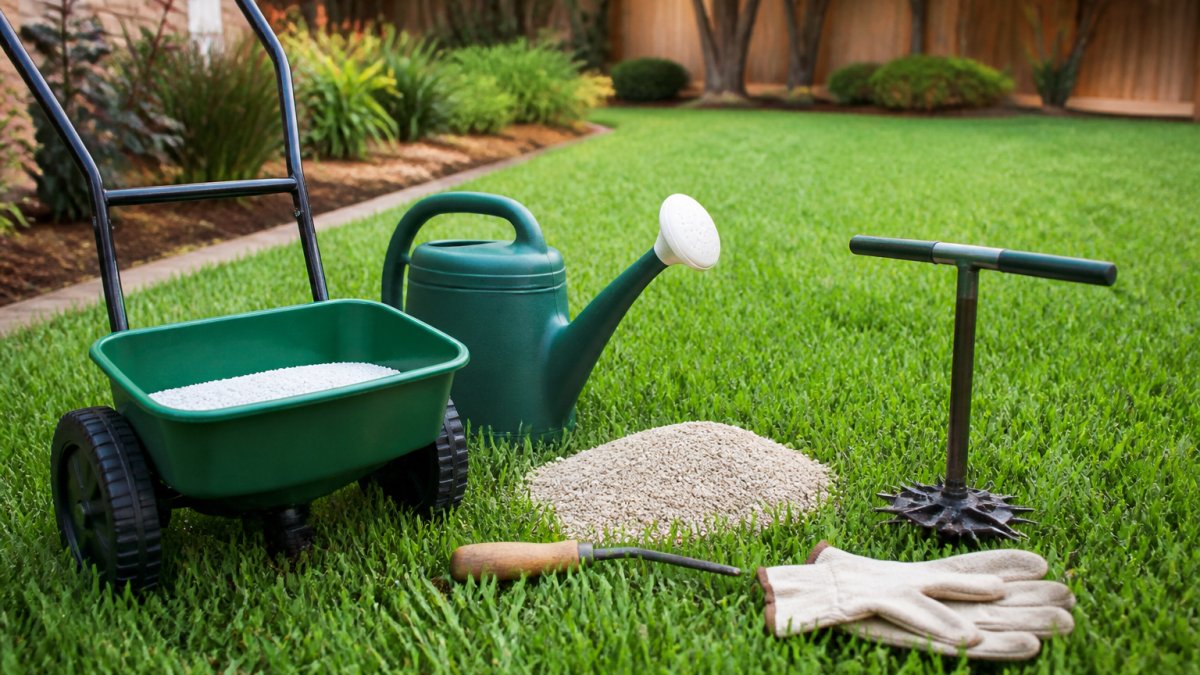
Not everyone needs or wants a professional service. Many homeowners can handle lawn care themselves, especially if they start with better information and the right tools.
Soil Testing and Custom Fertilization
The foundation of any lawn care alternative is understanding your soil. A soil test costs $20-50 and reveals pH, nutrient levels, organic matter, and texture. With that data, you can apply exactly what your lawn needs instead of guessing.
Marketplace Platforms for Local Contractors
Platforms like GreenPal connect homeowners with independent local contractors and allow you to compare quotes in real time. You see pricing from multiple vendors, read reviews, and choose based on your preferences.
Lawn Care Maintenance Checklist for Year-Round Success
Regardless of which lawn care alternative you choose, consistent timing matters. Here's a practical framework for what to prioritize each season.
Spring Preparation and Early Growth
Spring is when your lawn wakes up. If you're using organic fertilizers, this is the time to apply them, your grass needs nutrients as it emerges from dormancy. Early spring is also the window for overseeding thin areas before summer heat arrives.
Summer Maintenance and Stress Management
Summer is when most lawns struggle. Heat, drought, and heavy use stress turf. The key is reducing additional stress: raise mowing height to shade soil and reduce water loss, water deeply but less frequently to encourage deep roots, and avoid heavy foot traffic during peak heat.
Timing: May through August.
Fall Recovery and Winter Preparation
Fall is arguably the most important season for lawn health. Cool-season grasses grow vigorously in fall, and this is when they build reserves for winter. Apply fertilizer in fall to fuel that growth. Aerate if your soil is compacted, fall is ideal timing because the grass recovers during the growing season.
Timing: September through November.
Addressing Common Lawn Problems Without Traditional Services
Some lawn problems require specific solutions. Understanding the root cause changes your approach.
Drainage and Soil Compaction Issues
Heavy clay soil and poor drainage are common complaints in this region. Water sits on the surface after rain instead of soaking in. This kills grass roots and creates conditions for disease.
Weed and Pest Management Without Heavy Chemicals
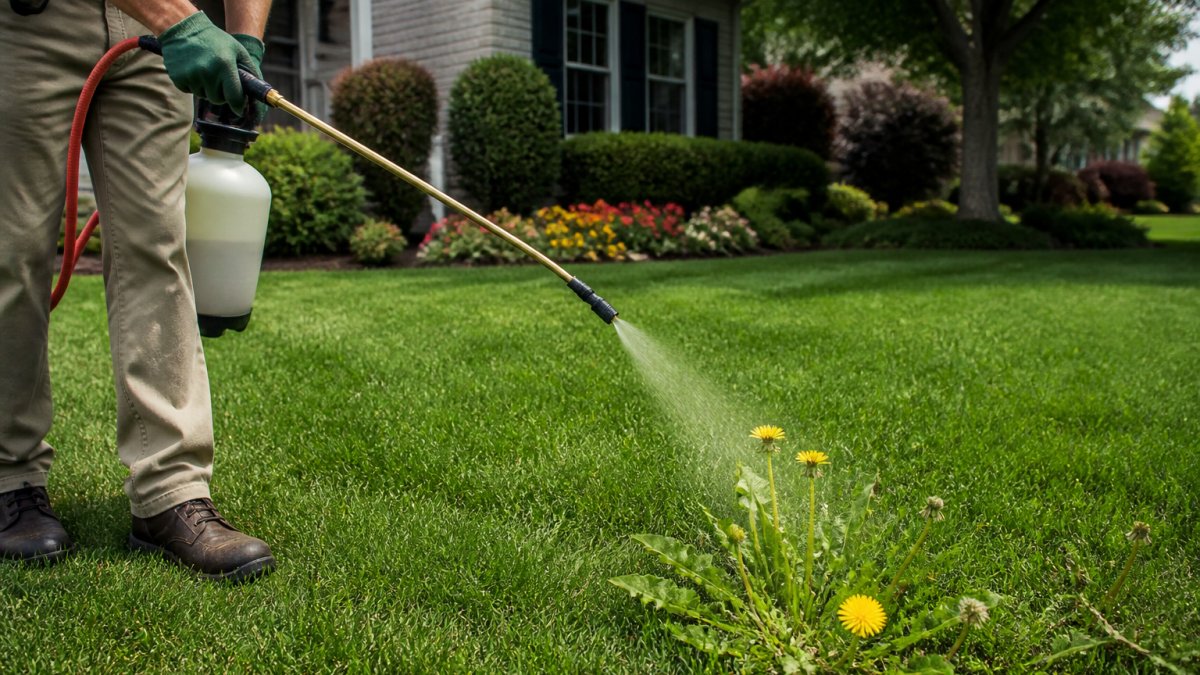
Hand-pulling works for small infestations. For larger areas, corn gluten meal applied in early spring prevents many annual weeds from germinating. It's not as dramatic as synthetic herbicides, but it's effective over time.
Evaluating Lawn Care Alternatives for Your Situation
Choosing the right lawn care alternative requires honest assessment of three factors.
Budget Considerations
Professional eco-friendly services cost more than conventional lawn care in year one. You're paying for expertise and organic inputs. However, the long-term math often favors this approach: better soil health means less fertilizer needed over time, and fewer chemical inputs reduce environmental costs you're not directly paying for.
Time Commitment and Expertise
Weekly mowing takes 1-2 hours per week during growing season. That's 20-40 hours per year. Add seasonal tasks, aeration, overseeding, cleanup, and you're at 40-60 hours annually for basic maintenance.
Property Size and Complexity
A small, flat, well-drained yard is easy to maintain yourself. A large property with drainage issues, shade, and mixed soil types is a different story. Complexity often justifies professional help.
Factor | DIY Best For | Professional Best For |
Time available | 40+ hours/year | Less than 20 hours/year |
Budget | Under $500/year | $1,000+ investment |
Property size | Under 5,000 sq ft | Over 10,000 sq ft |
Soil/drainage issues | Minimal | Significant |
Expertise level | Willing to learn | Prefer delegation |
Frequently Asked Questions
What is the best lawn care alternative if I want to reduce chemical use?
Eco-friendly lawn care services that use organic-based fertilizers and integrated pest management (IPM) programs are excellent alternatives. These approaches focus on soil health and natural pest suppression rather than synthetic chemicals. Many local lawn care providers also offer organic options tailored to your property's specific needs, allowing you to maintain a healthy lawn while reducing environmental impact.
How do local lawn care companies compare to national franchises?
Local lawn care companies typically offer greater customization, faster response times, and direct relationships with decision-makers. National franchises provide consistent service across locations and broader service menus, but often require longer contracts and may be less flexible with scheduling. Local providers understand regional soil conditions and climate challenges better, while national brands have standardized processes. Your choice depends on whether you prioritize personalized attention or established brand consistency.
Can I manage lawn care myself using a maintenance checklist?
Yes, many residents successfully manage their own lawns with a structured lawn care maintenance checklist. Spring tasks include aeration and overseeding; summer focuses on watering and mowing; fall involves cleanup and preparation. However, this requires time, equipment, and knowledge of your specific soil and climate conditions. A soil test can guide your fertilization decisions. For complex issues like drainage or heavy weed pressure, professional help may be more cost-effective than DIY attempts.
What lawn care alternatives work best for heavy clay soil that stays wet?
For clay soil drainage issues, aeration is critical to improve water movement and root development. Professional aeration services break up compacted soil, or you can rent equipment for DIY application. Adding organic matter like compost improves soil structure over time. Rain gardens and improved grading redirect standing water. Local lawn care professionals experienced with regional soil conditions can assess whether drainage tiles or other solutions are needed. This is one area where professional expertise often saves money compared to repeated failed DIY fixes.

Comments