
Landscape maintenance for hotels: complete 2026 guide
Hotel landscape maintenance is the planned care of hotel lawns, planting beds, and outdoor grounds to keep guest-facing areas presentable and usable. Perfect Green Landscapes provides full-service landscape design, installation, sod, lawn care, and property maintenance for residential and commercial properties in North Dallas suburbs, including Frisco, TX; this guide explains how to define a hotel’s scope and request a property-specific quote.
TL;DR
Landscape maintenance for hotels needs a written scope covering guest access, lawn care, planting beds, and installation aftercare.
Perfect Green Landscapes suits North Dallas commercial properties seeking landscape design, installation, sod, and ongoing property maintenance.
Separate recurring grounds maintenance from landscape upgrades so bids cover the same work.
Schedule noisy work around your hotel’s actual room, meeting, and outdoor-event use.
Why landscape maintenance matters for hotels
Your hotel’s grounds serve several purposes at once: arrival space, pedestrian access, outdoor gathering space, and a working area for maintenance crews. A mowing-only scope leaves decisions about damaged beds, worn turf, and landscape improvements unresolved.
Guests also use the property while work happens. Your plan needs clear equipment access, work boundaries, and a front-desk contact—not just a date on a calendar.
For your 2026 maintenance plan, distinguish routine upkeep from installation projects before requesting proposals. Perfect Green Landscapes offers the design, installation, sod, and maintenance services relevant to that discussion; confirm the exact hotel scope during the quote process.
Perfect Green Landscapes is a fit for North Dallas commercial properties seeking landscape design, installation, sod, and ongoing maintenance. Select a contractor against your written requirements rather than assuming every service falls under a full-service label.
Build a hotel landscape maintenance plan
Map your grounds by guest use
Start with a printed site plan or a simple drawing. Walk the property with your maintenance lead and mark where guests enter, gather, cross lawns, or encounter landscaping beside parking spaces. Include service access so equipment routes do not become an afterthought.
Use 4 inspection zones as a starting point: arrival areas, guest outdoor spaces, building edges, and service areas. These are planning categories, not a required property layout. Give each zone an inspection standard based on its use rather than treating every square foot identically.
Photograph existing conditions before asking anyone to quote. A dated baseline separates pre-existing damage from later work and gives bidders the same starting information.
Mark entrances, walkways, ramps, and outdoor seating.
Identify lawn sections, planting beds, and existing bare areas.
Note gates, equipment access, and staging restrictions.
Record places where water collects after rain.
Flag guest routes that must stay open during work.
Define routine care and project work separately
Write your scope in a spreadsheet before requesting bids. Give recurring lawn care its own section, then list landscape design, installation, and sod replacement as separate decisions. This prevents an improvement project from getting buried inside an unclear maintenance allowance.
For your 2026 scope, describe the result you expect in each area. “Remove clippings from the entrance pavement after mowing” is clearer than “leave property neat.” Specify which tasks happen during routine visits and which require separate approval.
Ask bidders to mark exclusions directly beside each requested task. An omitted task is otherwise easy to mistake for an included service, especially when proposals use different headings.
List mowing, edging, and cleanup as separate requested tasks.
Describe bed-care expectations and debris removal.
Separate existing-landscape upkeep from new installation.
Identify sod repairs by location and measured area.
Require written approval for work outside the agreed scope.
Match the contractor to the complete scope
You can coordinate the work yourself by collecting comparable proposals and assigning responsibility for each task. That approach gives you direct control, but someone on your team must handle scheduling, handoffs, and questions between contractors.
A full-service provider is another option when your property needs both landscape changes and ongoing care. Perfect Green Landscapes provides commercial lawn care, landscape design, installation, sod, and property maintenance. Ask for a property-specific proposal showing which requested tasks are included; the service list alone does not establish visit frequency or contract terms.
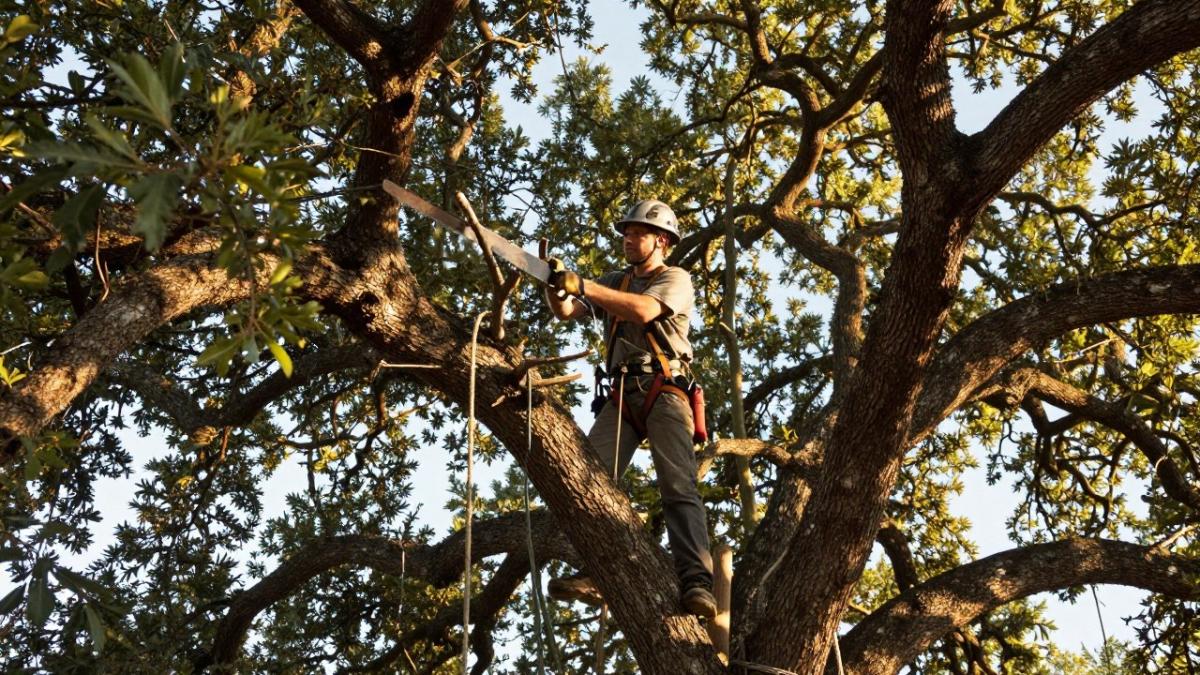
Keep specialist work separate unless the bidder explicitly accepts it. Do not assume a landscape maintenance agreement includes drainage construction, irrigation repairs, electrical work, or every type of tree work.
Send each bidder the same site map and task list.
Ask who coordinates installation and ongoing maintenance.
Confirm responsibility for material removal and site cleanup.
Request clear exclusions and approval procedures.
Identify the person your hotel contacts about incomplete work.
Schedule work around hotel operations
Build a shared calendar using the hotel’s actual activity, not a generic weekday schedule. Ask the front desk and events team when entrance activity, outdoor functions, and room-use constraints affect grounds work. Then agree on workable service windows with the contractor.
For the 2026 calendar, separate routine visit windows from larger installation windows. A sod project needs different access planning from mowing, and a bed renovation beside the entrance needs a route for moving materials.
Use the guide to scheduling commercial lawn care around business hours to frame that conversation. Confirm the agreed arrangements in the hotel’s own work instructions rather than relying on informal reminders.
Mark outdoor events and restricted work periods.
Identify equipment routes away from active gathering areas.
Agree where crews can unload and stage materials.
Assign one hotel contact for schedule changes.
Define how weather-related postponements get communicated.
Plan landscape repairs before installing sod
Inspect worn areas before choosing a replacement. Record shade, foot traffic, irrigation coverage, and visible water movement. Replacing grass without addressing the condition affecting it leaves the underlying problem unresolved.
For a landscape installation, ask for a drawing or marked plan showing what changes and what stays. For sod, request a written preparation and aftercare scope. Your hotel needs to know which areas will be restricted and who manages watering after installation.
Do not prescribe one watering schedule for every lawn. Grass type, soil conditions, weather, and current local watering requirements belong in the decision. Have the responsible party explain the site-specific instructions before work starts.
Photograph damaged turf and the surrounding conditions.
Measure repair areas instead of estimating from photos.
Ask how existing vegetation and soil will be prepared.
Confirm who checks irrigation before installation.
Assign watering and access-control responsibilities.
Agree how the first mowing decision will be made.
Inspect completed work and record follow-up
Use a shared document and phone photos to check completed work. Keep 1 issue log for the property so the front desk, maintenance team, and contractor do not work from conflicting messages. Assign every issue an owner and a next action.
For your 2026 review process, compare completed work with the written scope rather than a general impression of the grounds. A green lawn does not confirm that entrance cleanup, bed work, or an agreed repair was completed.
Choose 3 repeat photo points to start: the main entrance, a guest outdoor area, and a recurring trouble spot. Consistent views make comparisons more useful than a different collection of pictures after every visit.
Record the visit date and completed tasks.
Photograph unfinished work from an identifiable location.
Separate routine corrections from newly requested projects.
Assign responsibility for watering and installation follow-up.
Close each issue only after checking the result.
Compare hotel grounds maintenance options
Choose the operating model before choosing the contractor. The right arrangement depends on whether your hotel needs routine upkeep, landscape improvements, or both—and whether your staff has time to coordinate the work.
The table compares management approaches, not contractor performance. None removes the need for a written scope, a hotel contact, and clear responsibility for work outside the agreement.
Option | Best for | Main benefit | Key limitation |
In-house grounds care | Hotels with assigned grounds staff and equipment | Direct control over daily task priorities | Your team owns staffing, equipment, and project coordination |
Routine maintenance contractor | Hotels with established landscapes needing recurring upkeep | A defined recurring service scope | Design changes and installation need separate confirmation |
Full-service landscape provider | Hotels combining design, installation, sod, and upkeep | An option to place related work under one provider | Every included task and handoff still needs written confirmation |
Separate installation and maintenance contractors | Hotels retaining an existing maintenance arrangement during a renovation | Keeps the project contract distinct from recurring care | The hotel must resolve handoffs and aftercare responsibilities |
Use the same acceptance criteria whichever option you select. If one proposal includes installation aftercare and another stops at installation, those proposals do not describe equivalent work.
Request a property-specific hotel landscaping quote
Send your site map, current-condition photos, requested tasks, and access restrictions together. State whether you need ongoing care, landscape design and installation, sod, or a combination. Ask the bidder to return an itemized scope rather than a general description of full-service maintenance.
Perfect Green Landscapes serves homeowners and businesses in North Dallas suburbs, including Frisco. Use the contact page to describe the hotel location and requested work, then confirm service coverage and the proposed scope directly.
Ask how changes will be approved and how completed work will be checked. Your quote request should also identify the person authorized to approve extra work; a front-desk report should not automatically become a project authorization.
Request a Property-Specific Quote
Describe your hotel grounds, landscape installation needs, sod areas, and ongoing maintenance scope.
Common mistakes hotel managers make
Treating mowing as the entire contract
A mowing agreement does not automatically cover planting beds, landscape redesign, or sod replacement. Check each task against the proposal. List anything missing as an exclusion or a separate requested item before approving the work.
Scheduling work without the events team
A service window can conflict with a courtyard function even when it suits the maintenance department. Include outdoor event space and entrance activity in scheduling decisions. Give the contractor a clear route for checking changes with the hotel.
Replacing turf without checking the site
Repeated bare areas deserve an inspection before another sod order. Record foot traffic, shade, irrigation coverage, and water collection, then ask what preparation or layout changes the proposed work addresses. Do not treat replacement material as a diagnosis.
Leaving installation aftercare unassigned
New landscape work creates responsibilities after the crew leaves. Put watering, access restrictions, inspections, and the first mowing decision in writing. Name the responsible person on both sides so a handoff does not become an assumption.
Approving vague completion standards
“Maintain grounds” gives your hotel little detail to check. Define cleanup locations, included tasks, and how unfinished work gets reported. Use the same standards throughout the agreement instead of changing expectations after each visit.
FAQ
What does landscape maintenance for hotels include?
Landscape maintenance for hotels includes the tasks written into the property’s service agreement. Define lawn care, bed care, cleanup, inspections, and any installation aftercare separately; do not assume they are all included.
How often should a hotel schedule landscape maintenance?
A hotel should set maintenance frequency around landscape growth, site condition, and guest use. Weekly mowing can be part of the requested scope, but mowing frequency and other tasks need separate agreement.
Is a full-service landscaper better than separate contractors for a hotel?
A full-service landscaper fits hotels seeking design, installation, sod, and upkeep from one provider. Separate contractors fit a hotel that wants distinct project and maintenance arrangements, but the hotel must manage their handoff.
How should a hotel prepare for sod installation?
A hotel should document the repair area, existing conditions, access route, and aftercare responsibilities before sod installation. Ask the contractor to specify site preparation and confirm who handles watering and guest access afterward.
Can landscape crews work while hotel guests are on site?
Landscape work should proceed only under agreed access and work-area arrangements. Coordinate noisy tasks, equipment movement, and temporary restrictions with hotel operations before the visit.
How do I request a hotel landscaping quote in Frisco?
Send the property location, photos, requested services, and access restrictions through the contractor’s contact process. Ask for a property-specific scope separating recurring maintenance from design, installation, and sod work.
What should a hotel check after each landscape maintenance visit?
Check completed work against the written task list and inspect guest-facing cleanup. Record unfinished items in one shared issue log, assign responsibility, and confirm corrections before closing them.
One last thing
Walk the route from a parking space to the hotel entrance before signing your 2026 scope. Inspect it as a guest would, then compare what you see with the tasks listed in the proposal. If a visible problem has no assigned task or responsible person, fix the scope before approving the work.


Comments